


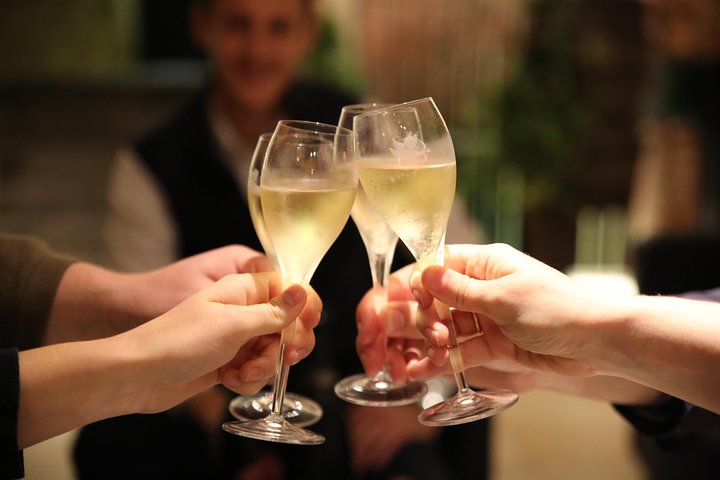


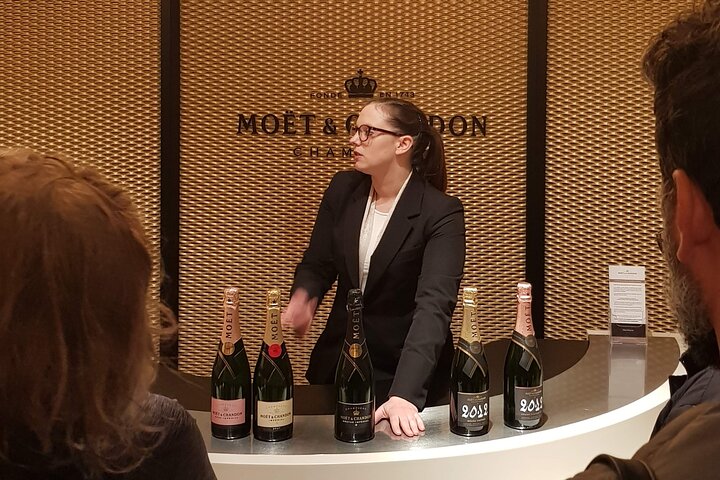
Learning Champagne Through the Glass
A Champagne tasting tour prioritises what is in the glass over what is underground. Where a cellar tour takes you through tunnels and explains the production process, a tasting tour structures the day around guided tastings at multiple houses or producers — progressing through styles, grape varieties, and quality levels with a guide who explains what you are tasting and why the differences matter.
This is the format for visitors who want to develop their palate and understanding of Champagne rather than simply visit famous cellars. By the end of a well-guided tasting tour, you will understand the difference between Blanc de Blancs and Blanc de Noirs, recognise how dosage affects sweetness, and have a sense of which Champagne styles you personally prefer — knowledge that transforms how you buy and drink Champagne for the rest of your life.
What a Tasting Tour Covers
Style progression. A structured tasting typically moves from lighter to richer: Blanc de Blancs (100% Chardonnay — crisp, citrus, mineral), through rosé (Pinot Noir-dominated, with red fruit character), to Blanc de Noirs (100% Pinot Noir or Pinot Meunier — fuller body, darker fruit), and finishing with vintage or prestige cuvées (extended ageing, complexity, depth). Tasting in this sequence trains your palate to recognise the differences.
House comparisons. Some tasting tours visit 3–4 houses in a single day, tasting 2–3 Champagnes at each. The purpose is comparison — tasting a Taittinger Brut next to a Veuve Clicquot Brut next to a grower Brut reveals how blending philosophy, terroir, and house style create distinct flavours from the same grape varieties grown in the same region.
Grower tastings. The most educational tastings often happen at small grower-producers (récoltants-manipulants) where the winemaker personally walks you through their range, explains their vineyard, and discusses their approach. These intimate tastings are where you learn most about what makes one Champagne different from another.
Food pairings. Premium tasting tours include a paired lunch or dinner — matching specific Champagnes with courses designed to demonstrate how Champagne interacts with food. Champagne pairs more broadly with food than most people realise — from oysters and seafood through poultry and pork to aged cheeses and desserts.
Practical Tips
Do not skip breakfast. Tasting Champagne on an empty stomach at 10:00 AM leads to rapid palate fatigue and impaired judgment. Eat a proper meal before the day begins.
Spit without embarrassment. At 8–15 tastings across a full day, swallowing everything makes the afternoon tastings meaningless. Professional tasters spit routinely. The spit bucket exists for exactly this purpose.
Take notes. By the fourth house, the names and flavours blur together. A quick note at each tasting — even just “liked this one” or “too sweet for me” — helps you remember your preferences when buying later.
Ask questions. Tasting guides welcome engagement. Asking why a wine tastes a certain way, what food it pairs with, or how it compares to something you have tasted elsewhere produces more useful learning than passively sipping.
Frequently Asked Questions
How many Champagnes will I taste on a tasting tour?
A typical full-day tasting tour involves 8–15 tastings across 3–4 stops. A half-day tour covers 4–8 tastings at 2–3 stops. The quantities at each tasting are small (approximately 50–75ml per pour), but the cumulative effect is significant — pace yourself.
Do I need to know about wine to enjoy a tasting tour?
No. The best tasting tours are designed for all knowledge levels. Complete beginners learn the fundamentals — grape varieties, production method, flavour recognition. Experienced wine drinkers get deeper technical content. The guide calibrates to the group.
What is the difference between a tasting tour and a cellar tour?
A cellar tour focuses on the production process — walking through the underground tunnels, seeing the riddling racks, learning how Champagne is made, with a tasting at the end. A tasting tour focuses on the wine itself — structured tastings at multiple stops, with the emphasis on understanding flavour, style, and quality rather than production method. Many tours combine both elements.
Can I buy the Champagnes I taste?
Yes. Most houses and grower-producers sell directly after the tasting, often at prices that are competitive with or lower than retail. Some offer exclusive cuvées available only at the cellar door. If you are flying home, check your airline’s baggage allowance and your country’s customs limits before purchasing large quantities.